
Your insider guide to winter in Hachimantai
More enjoyable trip to Hachimantai and Appi, Iwate Prefecture, Japan
Your insider guide to winter in Hachimantai
guide
With the first snow falling on Mt. Iwate in mid-October and lingering until early May when visitors have the rare opportunity to see snow together with the treasured cherry blossoms, Hachimantai’s long winters and heavy snowfall draw visitors from far and wide. The extremely dry powder snow is well-known amongst skiers and snowboarders across Japan and around the world, but winter here offers more than just great experiences on the slopes. Here’s your insider guide to getting even more from your journey to this winter wonderland.
Extremely dry powder snow
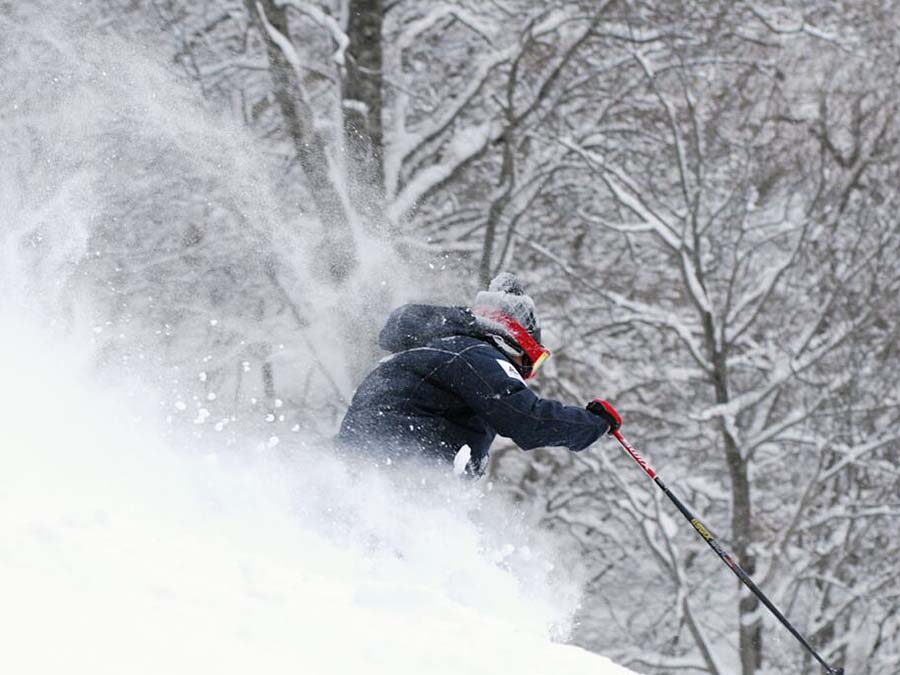
Hachimantai is famous at home and abroad for its ultra-light powder snow. With four different ski areas and kilometers of regular and tree runs, there is something for everyone from the experienced snow hound to those hitting the slopes for the first time. See individual resort websites for more information on access, lift tickets, equipment rental, ski school and children’s programs, accommodation and dining options.
- Appi Kogen Resort (back-to-back winners of Japan’s Best Ski Resort at the 2022 & 2023 World Ski Awards) - opened Saturday 2nd December:
https://www.appi-japan.com/ - Hachimantai Resort (Panorama & Shimokura Ski areas) - scheduled to open Saturday 23rd December:
https://www.hachimantai.co.jp/en/
Backcountry experiences
In recent years, backcountry skiing and snowboarding has gained popularity among those seeking the thrill of untouched powder and hidden slopes. Hachimantai’s backcountry areas provide vast expanses for such experiences and a number of small operators offer guided tours to these areas. Inquire at your ski resort or accommodation regarding backcountry tours.
Please note that skiing and snowboarding in backcountry or unpatrolled areas is inherently risky and you should only venture out if you are an experienced skier/snowboarded accompanied by a qualified guide and the appropriate safety equipment.
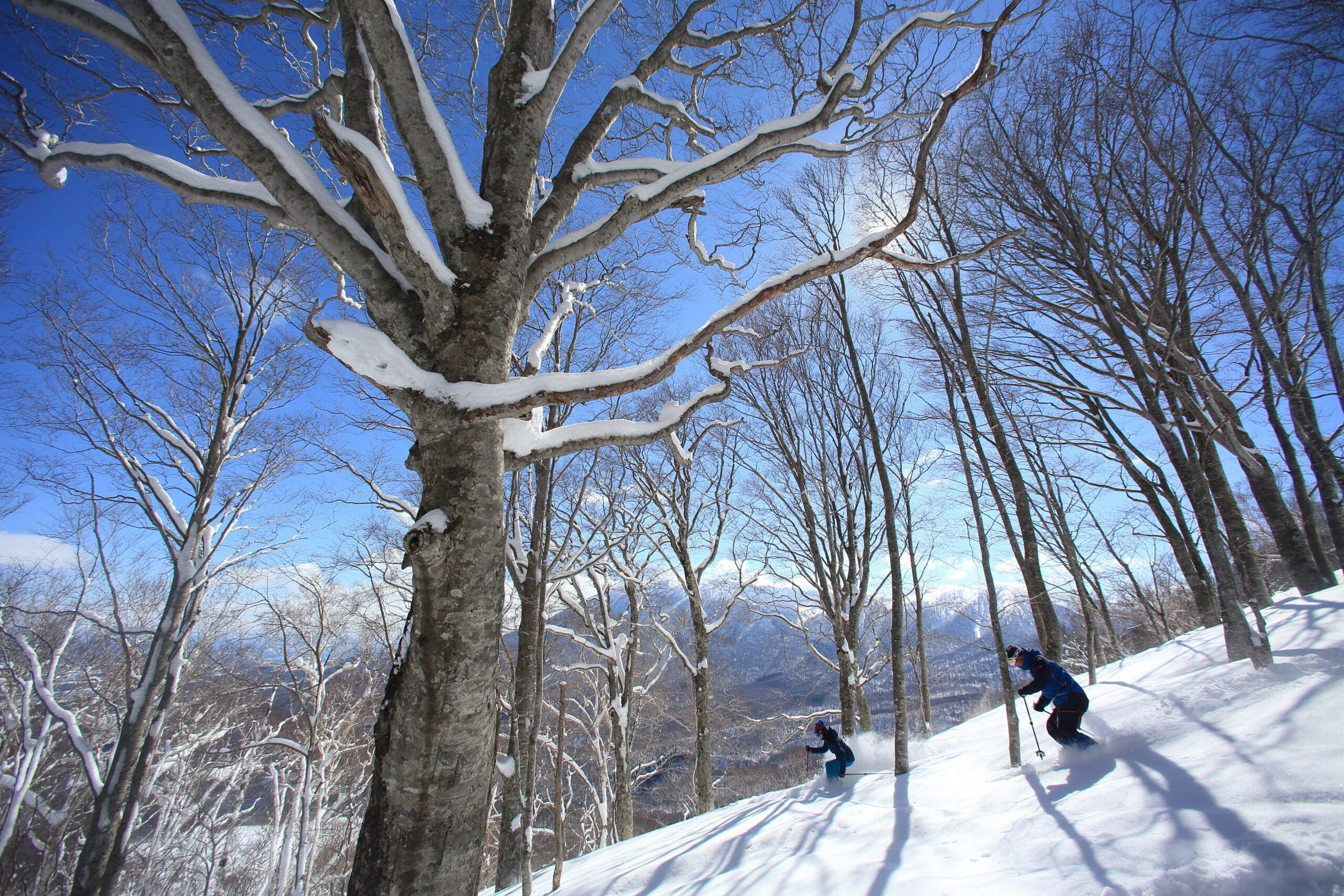
Experience untouched powder in Hachimantai’s backcountry
Nanataki Frozen Waterfall
"Frozen"like something out of the Disney movie Frozen, the sight of the completely frozen Nanataki Falls will take your breath away. This 30-meter high waterfall on the Yakkiri stream flowing from Mt. Iwate freezes over in the peak of winter (usually late-January to late February) with many visitors hiking out to see the frozen spectacle for themselves.
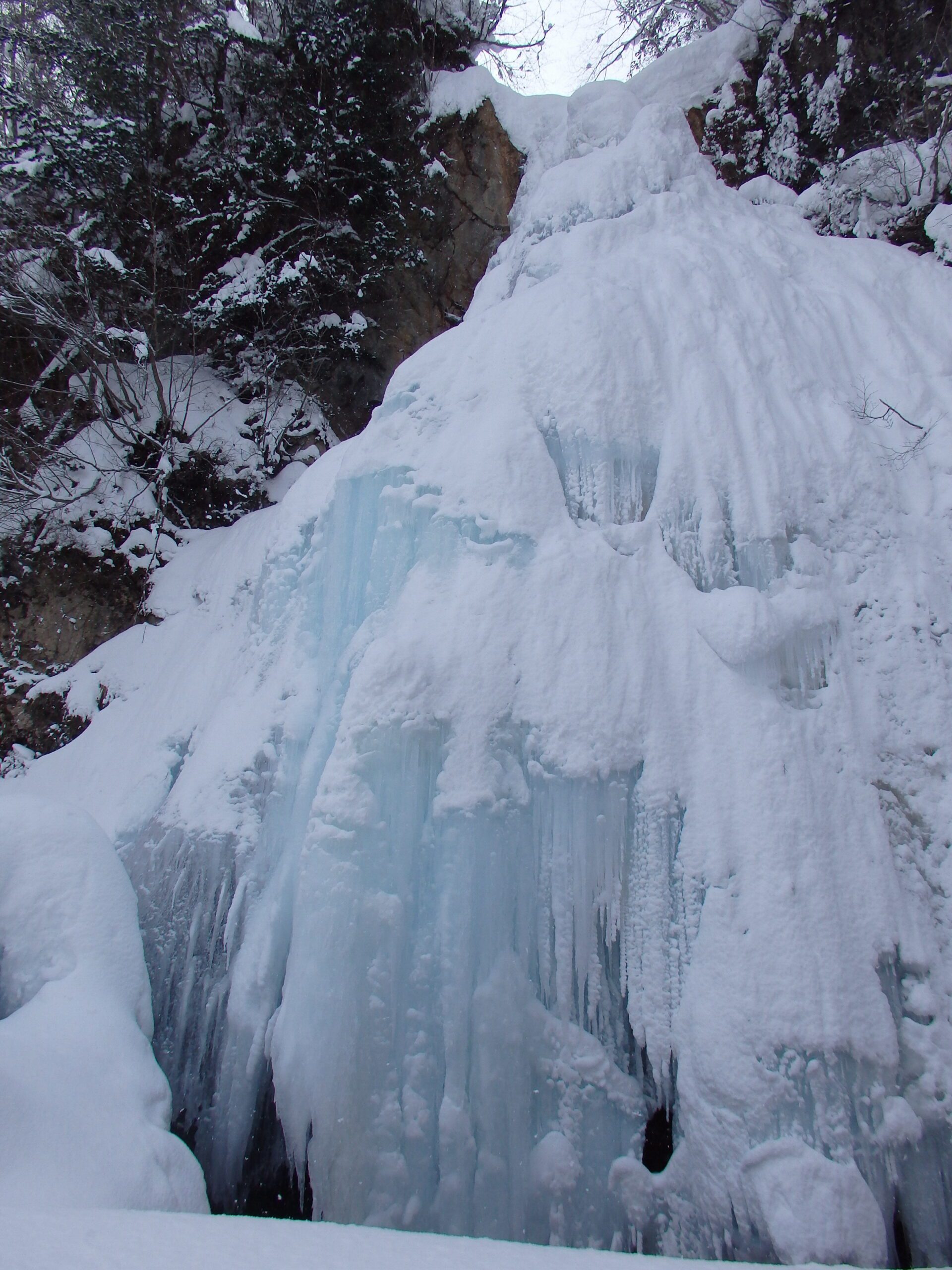
The sight of the completely frozen Nanataki Falls will take your breath away
Several local facilities run both fixed date and private snowshoe tours:
Iwate Prefectural Citizens’ Forest:
- 2024 group tours scheduled for Sunday 28th January and Saturday 10th February: \2000/person (snowshoe rental not included)
- Private tours also available: \10,000 for up to five participants
- Please note that in general these tours are run in Japanese.
- Reservations (required) and inquiries: Forestry Museum +81-195-78-2092 (Japanese)
Hachimantai Mountain Hotel:
- Snow shoe trekking tour including Nanataki Frozen Falls, hiking through a beech forest that is impassable in summer and return via snow boat: \7,000/person
- Please inquire in advance regarding availability of English or Chinese-speaking guides.
- Bookings and inquiries: Nature Guide Station +81-195-78-4111
- \4,000/person including snowshoe rental (min. 2 participants)
- > For all inquiries, email:lodgetandem@gmail.com
Lodge Tandem:
Tour a traditional sake brewery
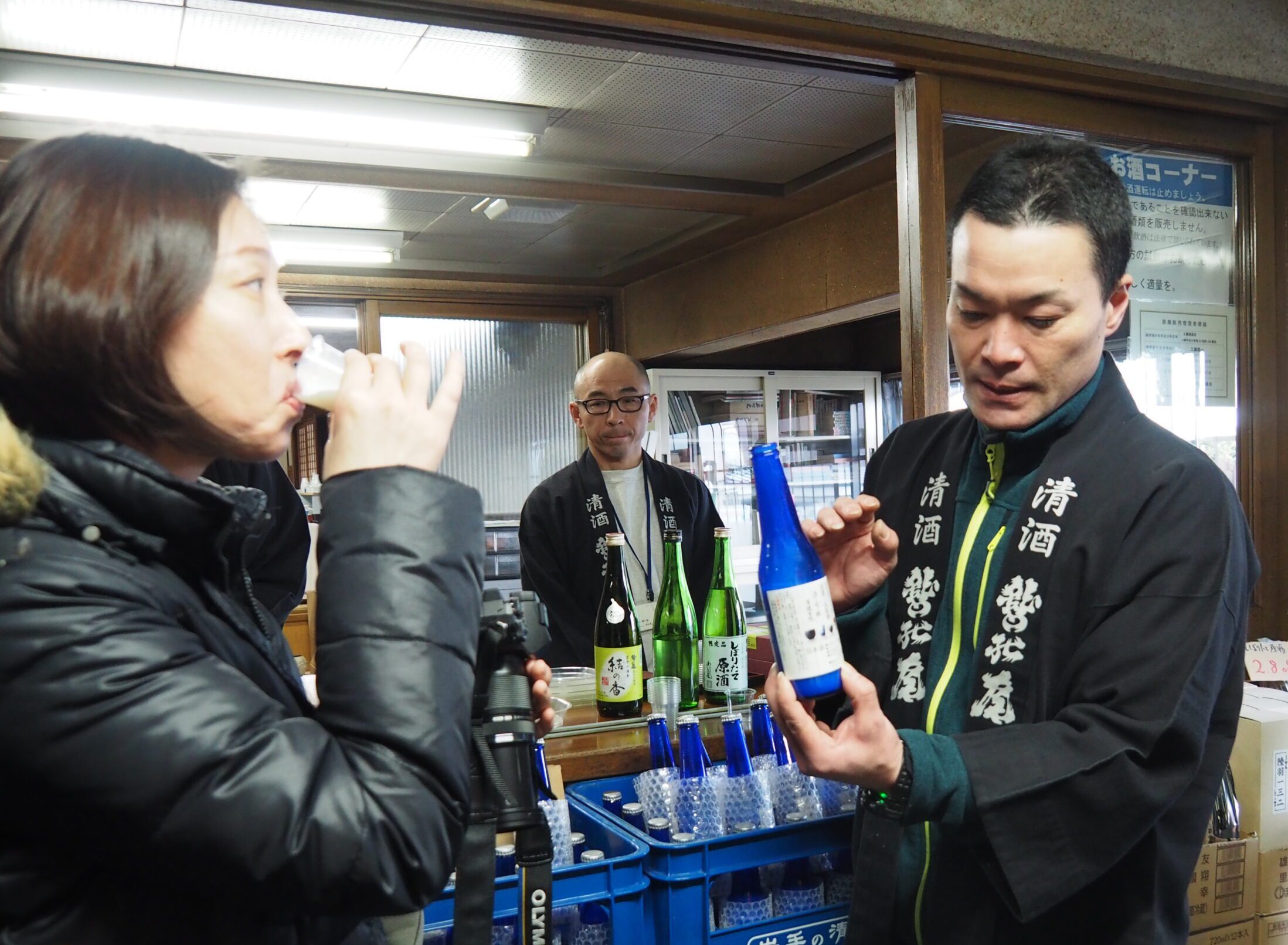
Local sake brewery, Washinoo which means ‘eagle’s tail’ in Japanese, has been creating sake at the foot of Mt. Iwate using local ingredients and pure underground water since 1829. On weekdays from January to March, you can tour their working sake brewery and enjoy sampling to compare flavors. You can also experience an optional ‘warimizu’ workshop where water is added in the final stage of production to adjust the taste of the sake.
Warm up with yukimi-buro
Soaking in a natural onsen hot spring is a great way to warm up and refresh your muscles after a long day on the slopes. With a rich vocabulary for seasonal phenomenon, the Japanese even have a word for relaxing in an outdoor bath while gazing at the accumulated snow: yukimi-buro.
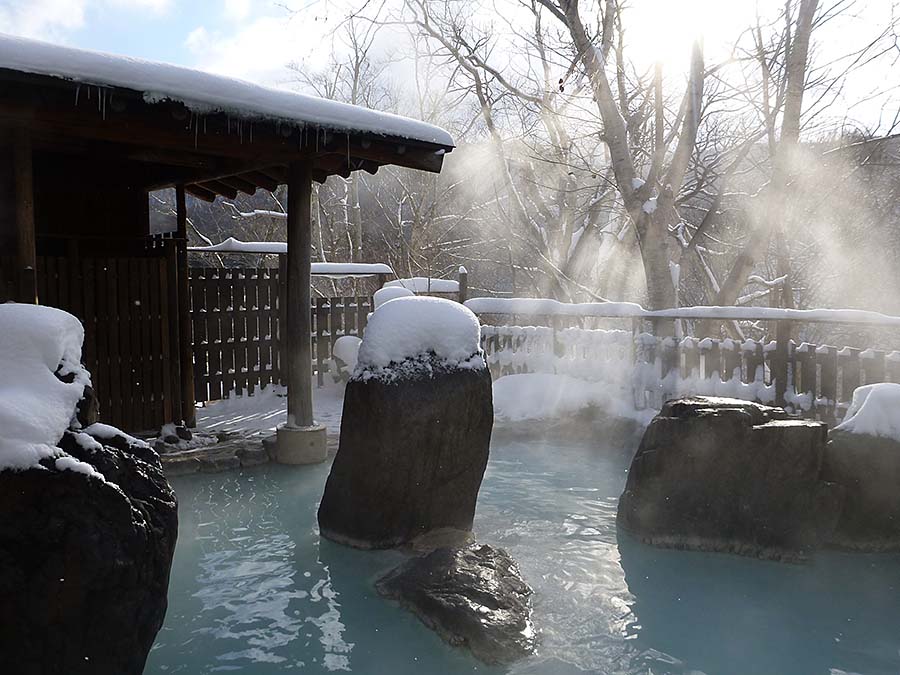
Matsukawa Onsen
Perfect for yukimi-buro, Matsukawa Onsen is a collection of hot spring inns tucked in at the base of the mountains on the edge of Towada-Hachimantai National Park. The area is well-known for its history, milky-white sulfur-rich waters, gorgeous views of the Matsukawa River and surrounding mountains, and high snowfall. You can choose from both indoor and outdoor baths with accommodation and day visitor options also available.
As driving on the steep snow-covered roads is not for the faint of heart, we recommend taking the retro 'bonnet bus' that replaces the regular public buses from Hachimantai Mountain Hotel during the winter. They always say it's about the 'journey' anyway.
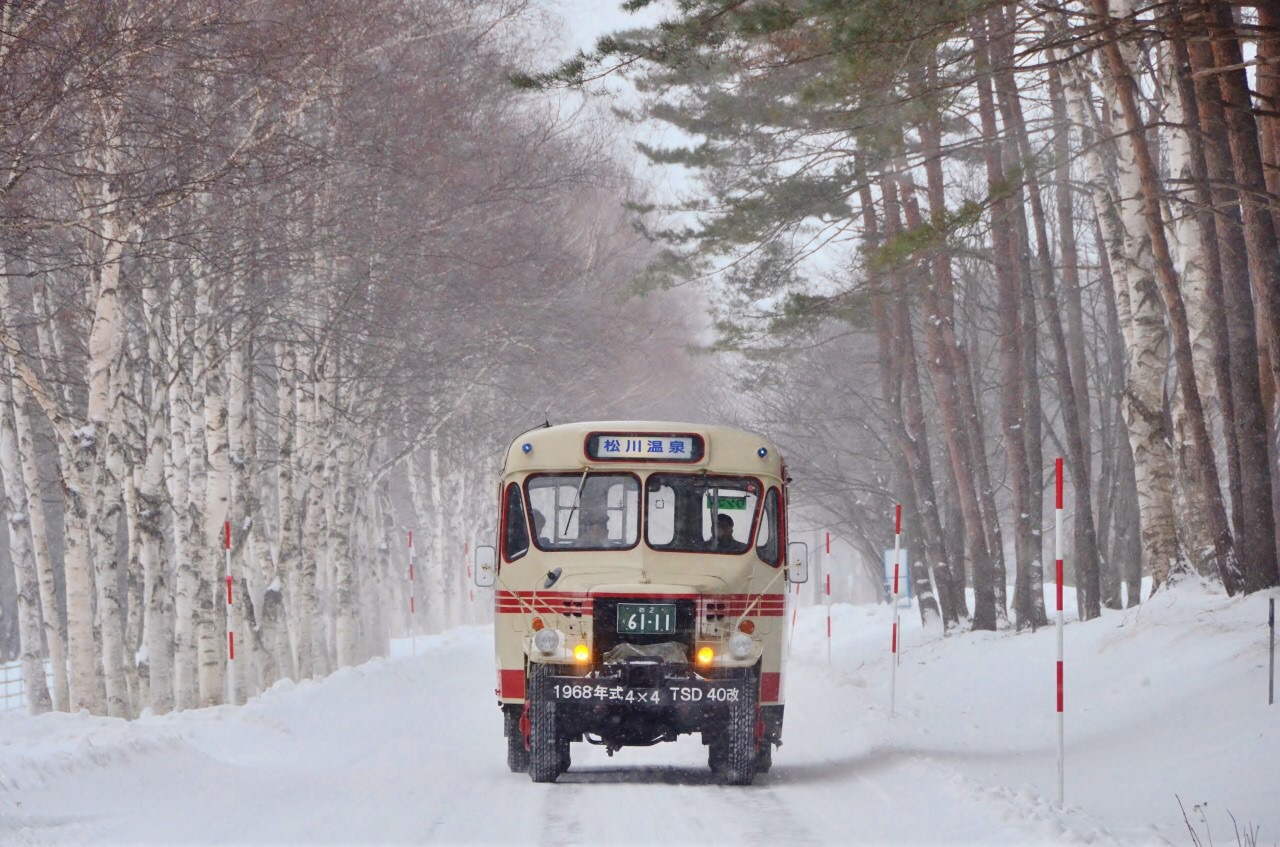
Arrive in style in a retro 'bonnet bus’
Final tips :
- Several cultural events are held throughout the winter season - follow Facebook and Instagram to stay up to date with everything that’s happening- @trip8jpのFacebookとInstagramto stay up to date with everything that’s happening
- Like most of Japan, many businesses including restaurants close over the New Years’ period (roughly 29 December to 3 January) - it’s best to check ahead regarding opening times to avoid disappointment. There will also be more domestic travelers moving about at this time as people spend the holiday season with their families, so book accommodation and transport in advance.
- If renting a car, make sure you are suitably prepared for driving in the snow and give yourself extra time to get to your destination.