
Famous Tourist Cities in Tohoku
More enjoyable trip to Hachimantai and Appi, Iwate Prefecture, Japan
The largest tourist city in Tohoku is right here!
The Tohoku region of Japan is beginning to attract attention from across the nation.
This area has many wonderful spots that are still relatively unknown.
Sendai
Population: Approximately 1,090,000 people (as of December 2019)
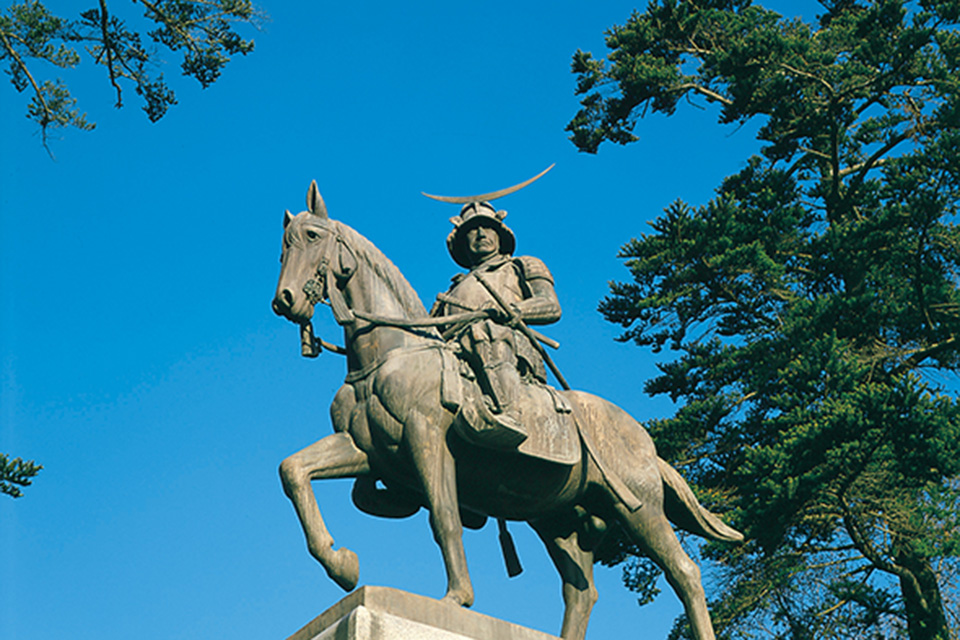
The largest city in the Tohoku region. About 2 hours from Tokyo by Shinkansen. Sendai is the largest city in the Tohoku region and is located in a very convenient spot. Looking out over the city's panoramic view from the site of the former Sendai Castle, you can see why this beautiful, green city is called the City of Trees.
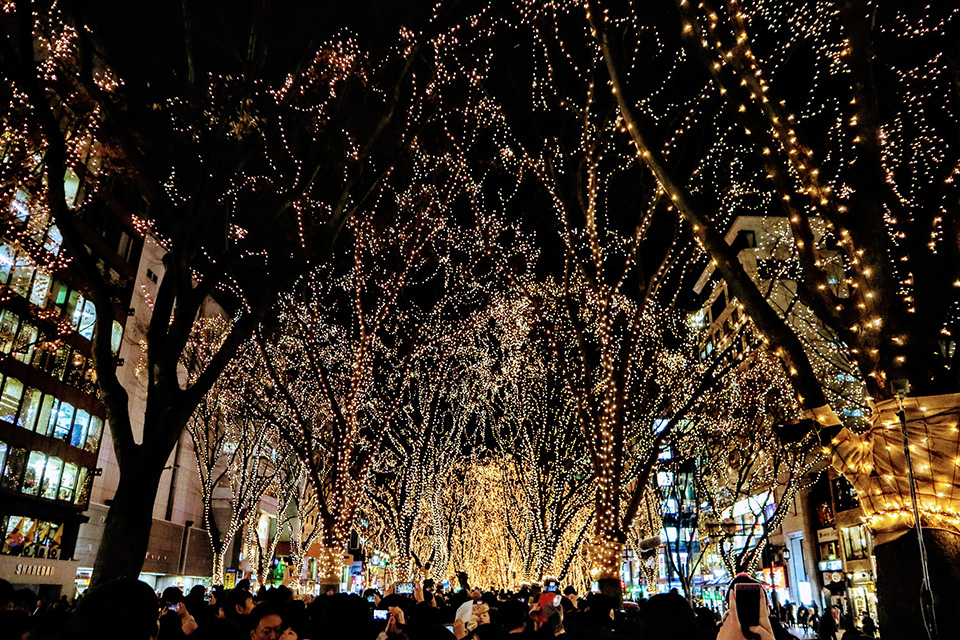
Sendai Pageant of Light (December)
This is the most popular light festival in Tohoku.
The 160 zelkova trees lining Jozenji Street are adorned with approximately 600,000 lights, creating a fantastical world.
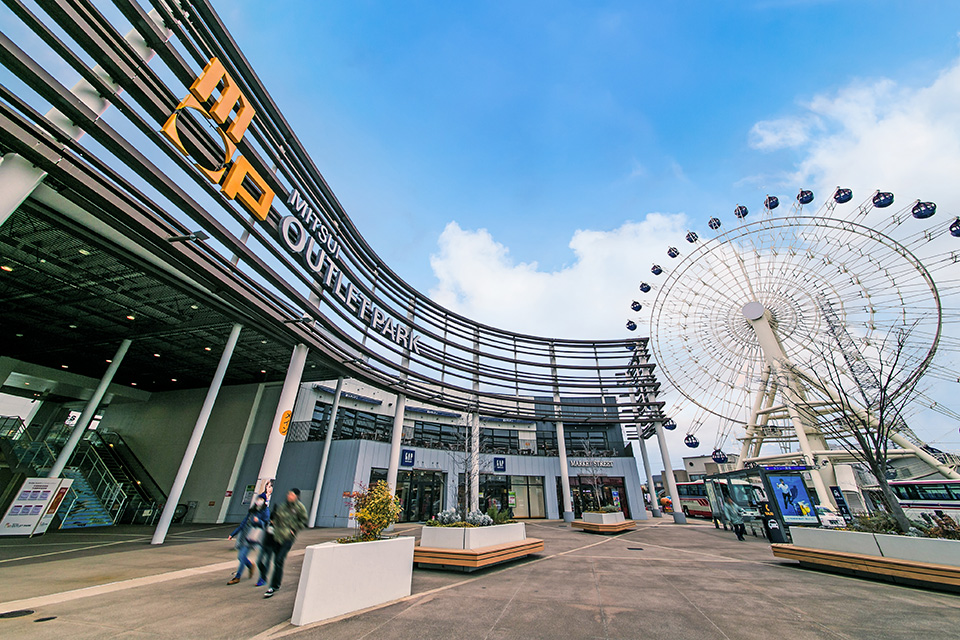
Mitsui Outlet Park Sendai Port
This is the largest outlet mall in the Tohoku region. It features approximately 120 stores, including brand-name fashion shops, general retailers, sporting goods stores, and children's goods stores.
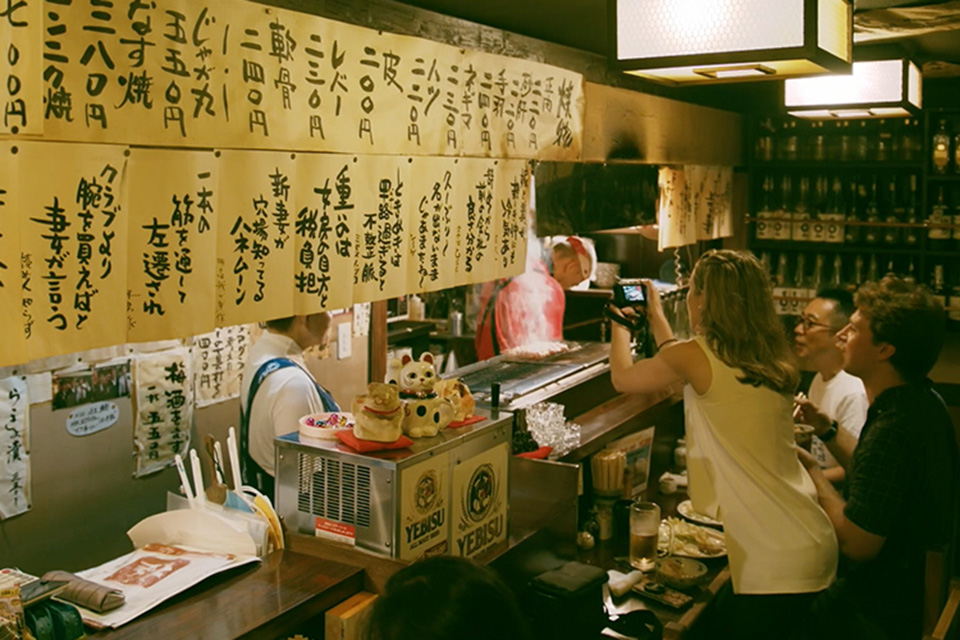
Bar Hopping in Sendai
A local guide will take you to three fantastic restaurants/bars that tourists generally can't find but are beloved by locals. Enjoy the good old days of Japanese izakaya culture. Have a fun time drinking with the locals.
Hirosaki
Hirosaki is located in the western part of Aomori Prefecture. It is a historic region that once flourished as a castle town, boasting numerous nationally renowned attractions and events such as the famous cherry blossom viewing spots around Hirosaki Castle and the Hirosaki Nebuta Festival. It is also known today for producing the largest volume of apples among all municipalities in Japan.
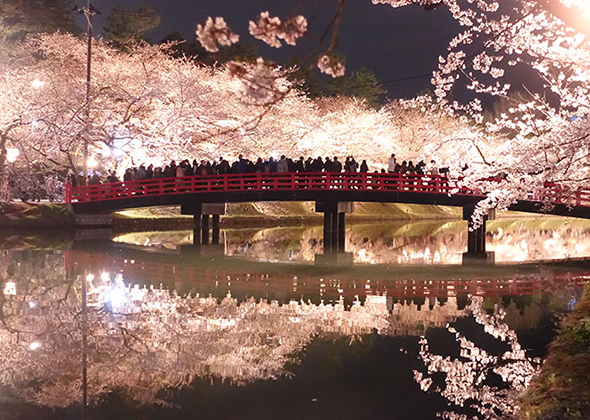
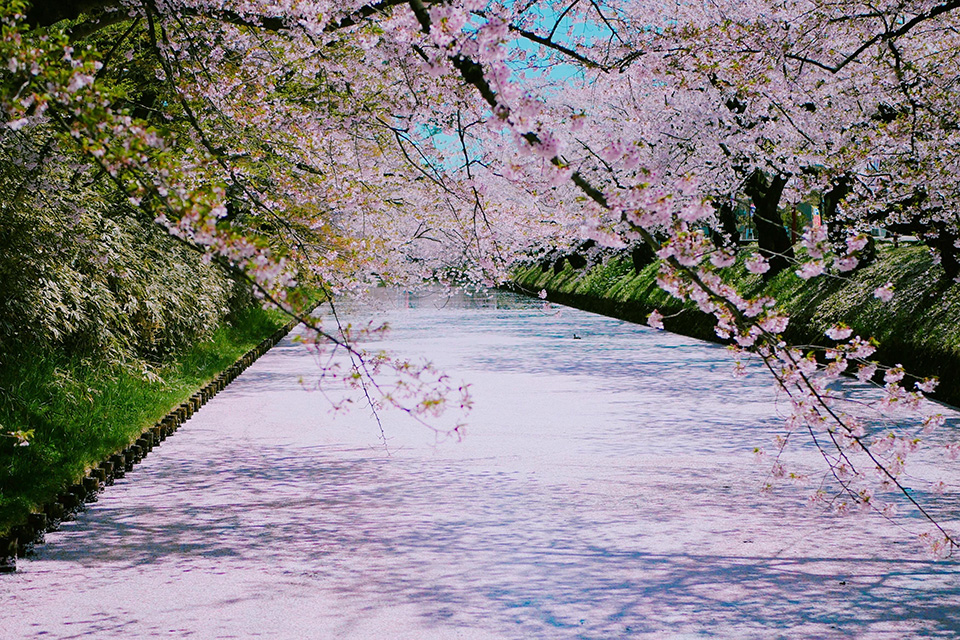
Hirosaki Castle (Hirosaki Park)
Built in 1611, this castle is one of the few precious castles in Japan that has been preserved in its original state to the present day.
Towers, bridges, and moats─the entire scene is beautiful. When the cherry blossoms bloom, their petals fall into the moat, forming a pale pink carpet. This breathtaking sight, known as "flower rafts," is truly breathtaking.
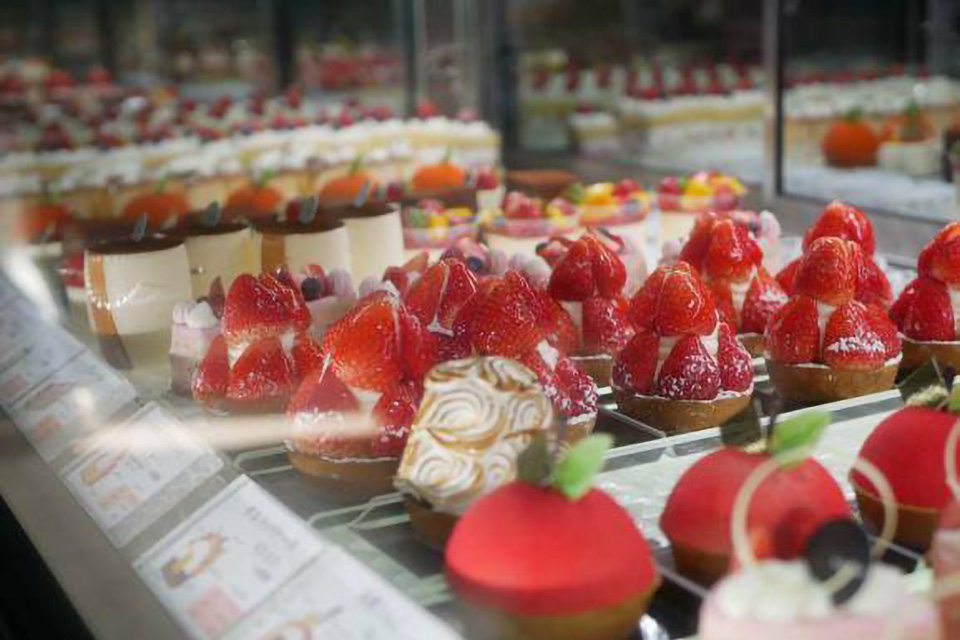
Hirosaki Apple Pie
When visiting Hirosaki, you can find about 45 varieties of original apple pie at shops throughout the city. Enjoy the taste of the apple town.
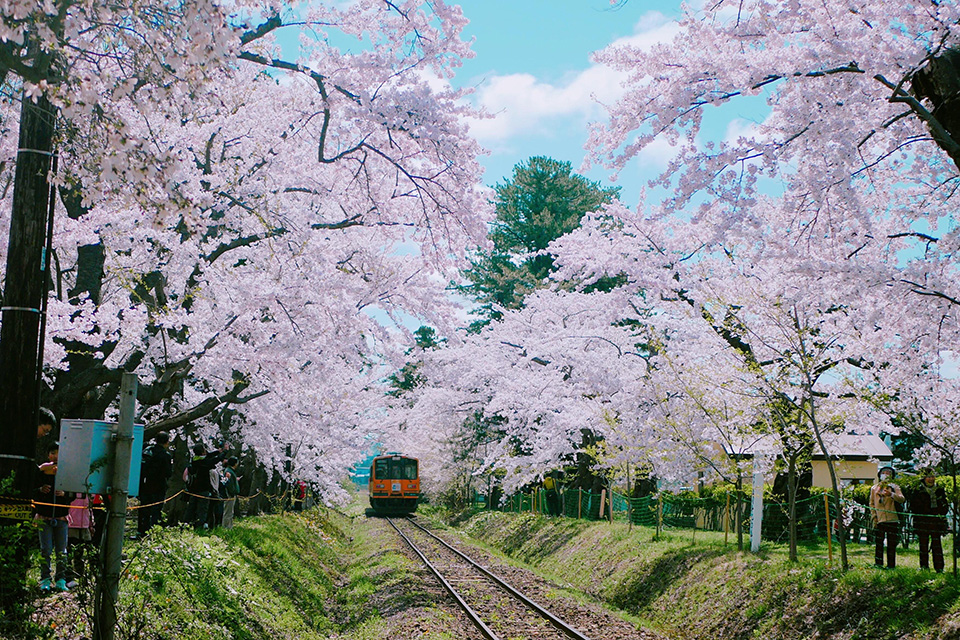
Goshogawara - Ashino Park
Ashino Park is located in the Kanagi district of Goshogawara, north of Hirosaki, and is also the birthplace of author Osamu Dazai. Along with Hirosaki Park, this park was selected as one of Japan's top 100 best places to view cherry blossoms. Approximately 2,200 cedar and cherry trees spread along the shores of Lake Ashino, and the Tsugaru Railway train passes through a tunnel of cherry blossoms as it crosses the park. Visitors are moved by this astonishingly beautiful and romantic scenery.
Morioka
> Population: Approximately 290,000 (as of November 2019)
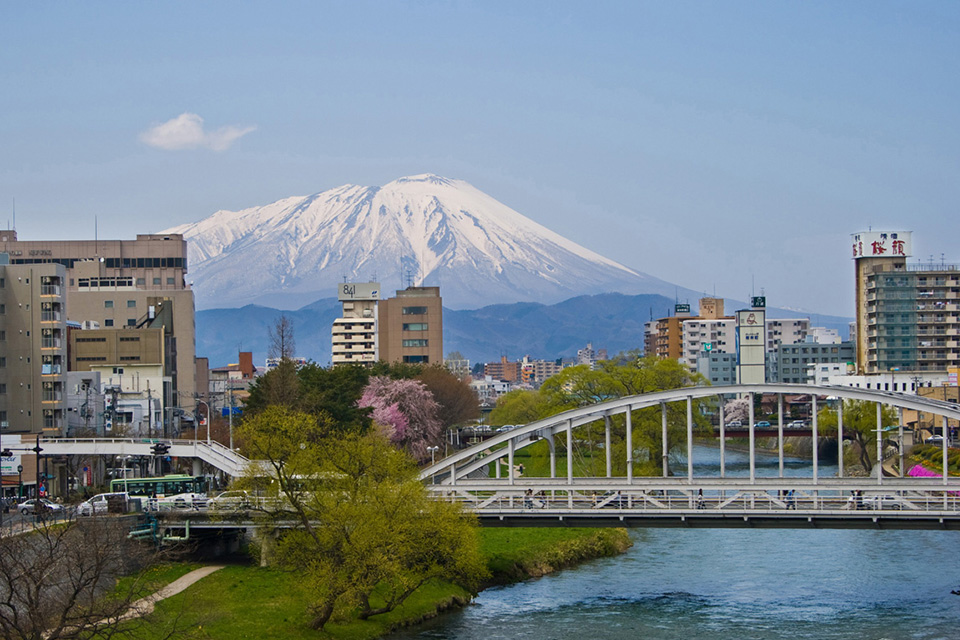
About 30 minutes north of Sendai Station by Shinkansen. Morioka, the capital of Iwate Prefecture, is rich in history and culture. Numerous unique Western-style buildings dating back to the Meiji era still stand today, lending the city a charming retro atmosphere.
And it was selected as one of the New York Times' "52 Places to Go in 2023."
(Quoted from the Iwate Prefecture website)
This article highly praises Morioka City as a "jewel-like spot you can explore on foot." It highlights its convenience, being just a few hours from Tokyo by bullet train, along with its architectural beauty featuring Western-influenced structures built during the Taisho era, Morioka Castle Ruins Park, and spots like "NAGASAWA COFFEE," "Higashiya," "BOOKNERD," and "Johnny at Kaiun Bridge."
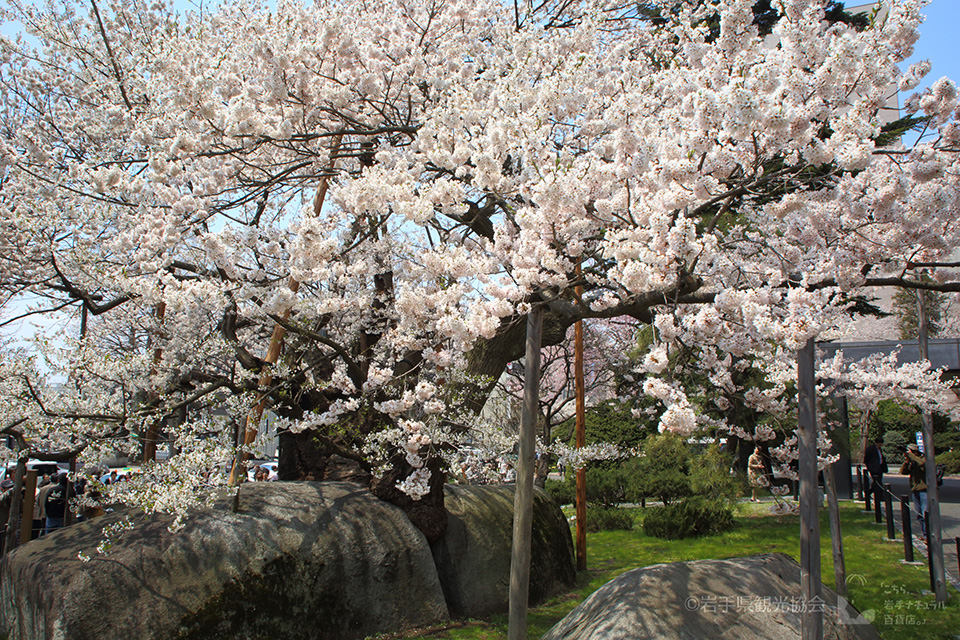
Stone-Splitting Cherry Blossom (mid- to late April)
This 360-year-old cherry tree grows straight from a massive granite rock with a circumference of 21 meters. When the cherry blossoms bloom, it becomes a popular tourist destination, drawing many visitors to witness its austere beauty. National Natural Monument.
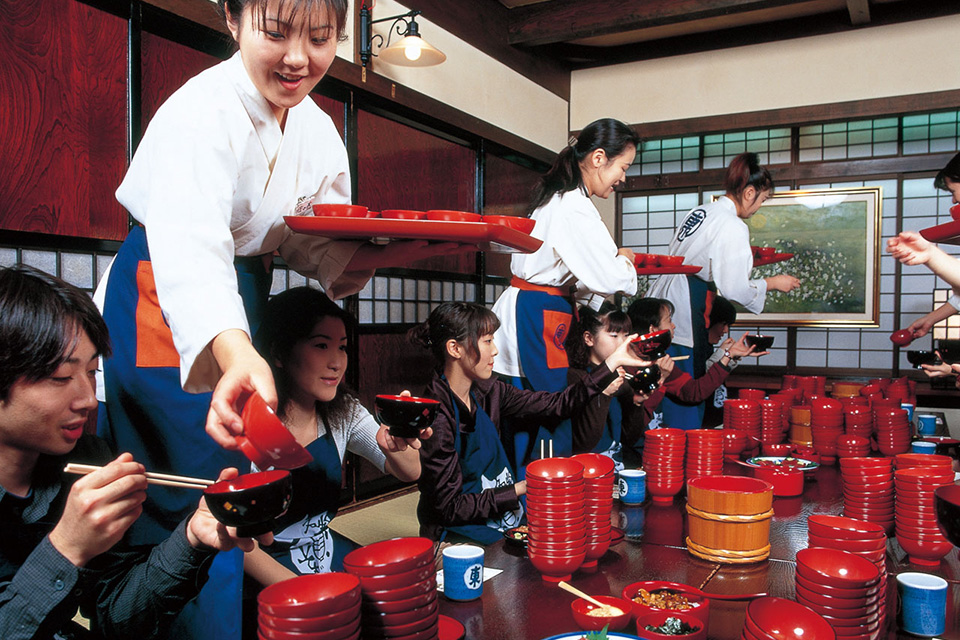
One of Iwate's Three Great Noodles - Wanko Soba
When eating wanko soba, small bite-sized portions of soba noodles are served in bowls by attendants standing nearby. If you visit Iwate, be sure to try it. It's great fun to see how many bowls you can eat, spurred on by the attendants' encouraging shouts.
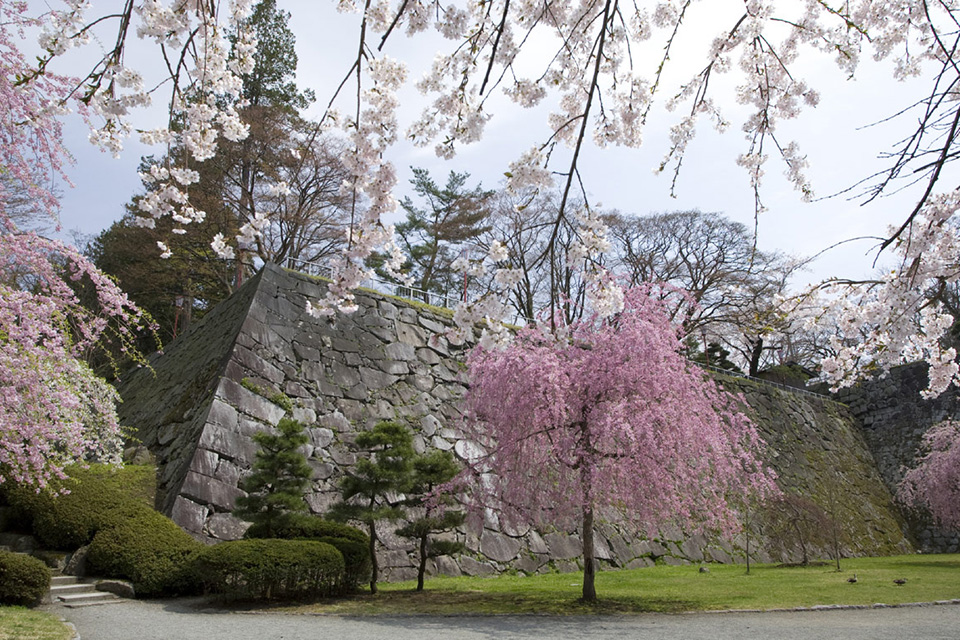
Morioka Castle Ruins and its Park Area
This area is connected to the famous poet of Iwate Prefecture, Takuboku Ishikawa. Escape the city bustle, enjoy the unique atmosphere here, and relax in the rich natural surroundings. Cherry blossoms bloom in spring, roses bloom in vibrant colors in summer, and vivid foliage welcomes you in autumn. Nearby attractions include the historic Iwate Bank building, the Nakatsu River flowing through the city center, the Cherry Blossom and Rose Garden, Sakurayama Shrine─a Japanese "power spot"─and the Morioka Museum of History and Culture.
Hachimantai
Population: Approximately 25,000 (as of November 2019)
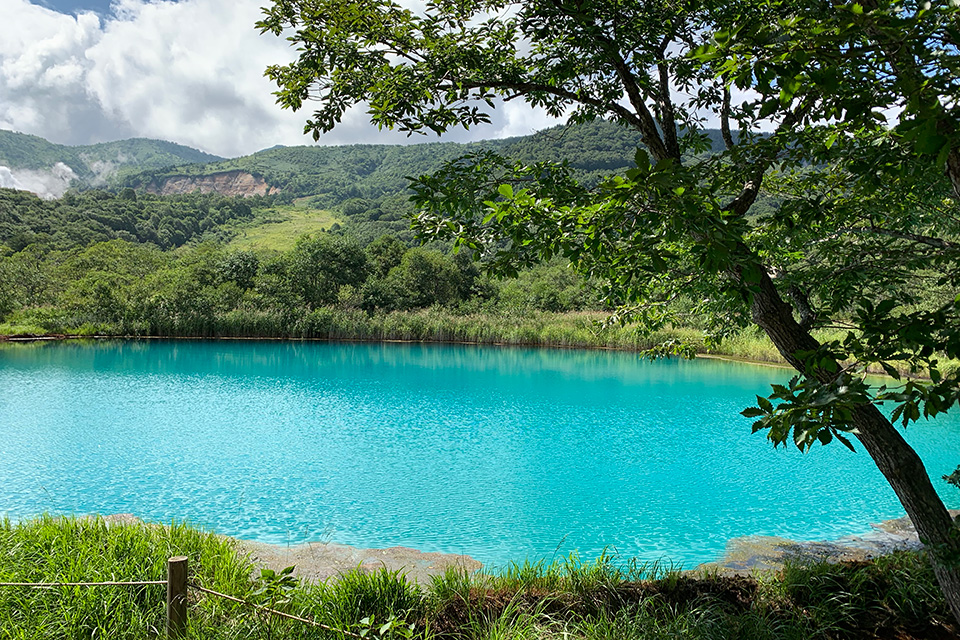
Hachimantai is located north of Morioka. Hachimantai is a mountain resort in Japan, dotted with natural sulfur hot springs throughout its mountains. These are popular with foreign tourists and are world-renowned for Japan's longest snow corridor, Towada-Hachimantai National Park, spectacular autumn color views, and skiing on superb powder snow.
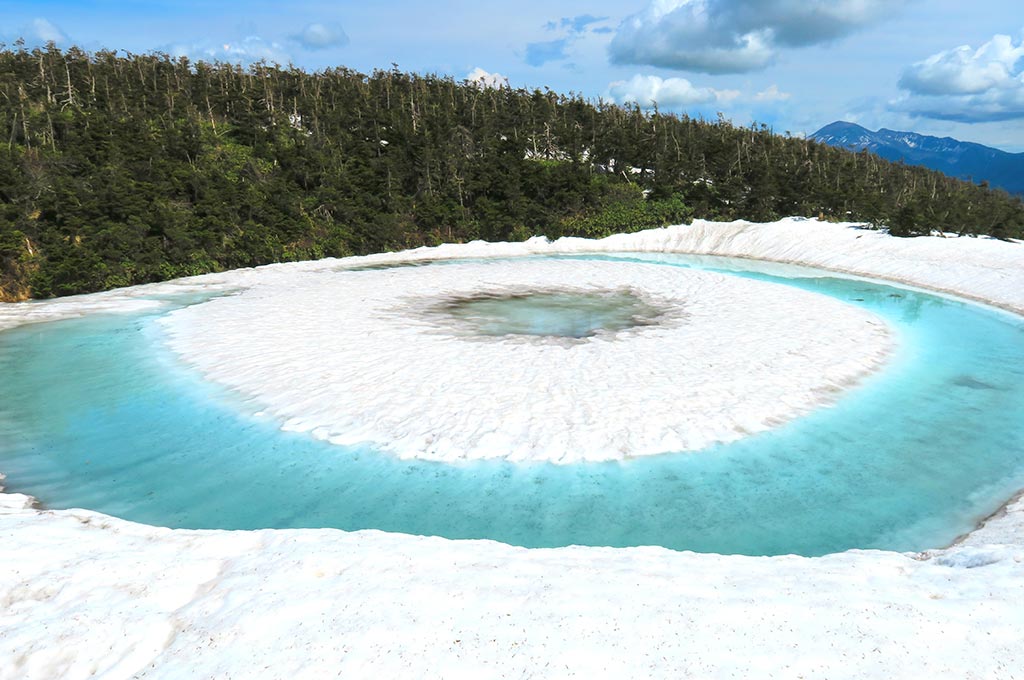
Hachimantai Dragon Eye (Late May to Early June)
The name comes from the snow melting near the summit of Hachimantai, forming a shape resembling the eye of a giant dragon at Kagami Pond. Walking on the spring snow here is incredibly enjoyable, and it's also an ideal spot for taking photographs.
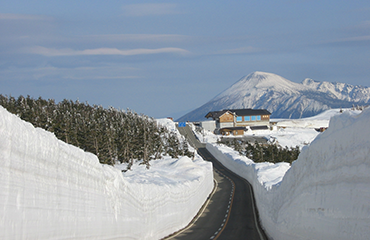
Cherry Blossom and Snow Corridor (mid-April to early May)
Every March, snow is cleared from the Hachimantai Aspite Line and Hachimantai Jukai Line, which lead to the summit of Hachimantai Mountain and are closed off by gates during winter. By mid-April, the corridor flanked by towering walls of snow opens. This is the longest such corridor in all of Japan, and the view is truly spectacular. The contrast between the blue sky and the white spring snow is incredibly beautiful. And during this same season, you can enjoy viewing cherry blossoms at the base of the mountain.
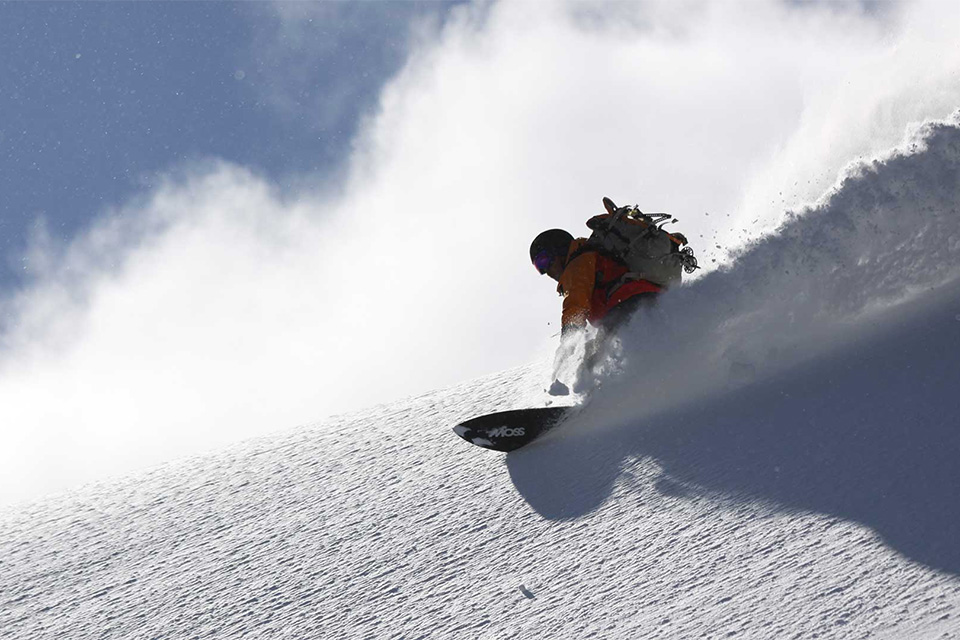
Appi Kogen Ski Resort, Hachimantai Resort Ski Area (December─March)
These ski resorts, renowned for their world-class powder snow, are currently gaining popularity worldwide. Both offer ski resorts that can be enjoyed by everyone, from beginners to experts, and people of all ages. Recently, more tree runs have opened, and CAT access has been added to ski areas where advanced skiers and snowboarders can ride on ungroomed slopes.