More enjoyable trip to Hachimantai and Appi, Iwate Prefecture, Japan

History of Hachimantai-Appi Snow Resort

A town where a century of history meets the finest powder snow

The history of skiing in Japan dates back to 1911 (Meiji 44).
Skiing is said to have been introduced to what is now Hachimantai City around 1918, seven years later. Not only adults, but children too eagerly learned to ski, imitating the adults. The history of skiing in Hachimantai City was cultivated over 100 years ago.
The origins of today's Hachimantai-Appi Snow Resort lie in the Matsuo Mine, once hailed as "the largest sulfur mine in the Orient." The mine's prosperity brought wealth to this land, laying the foundation for the later snow resort.
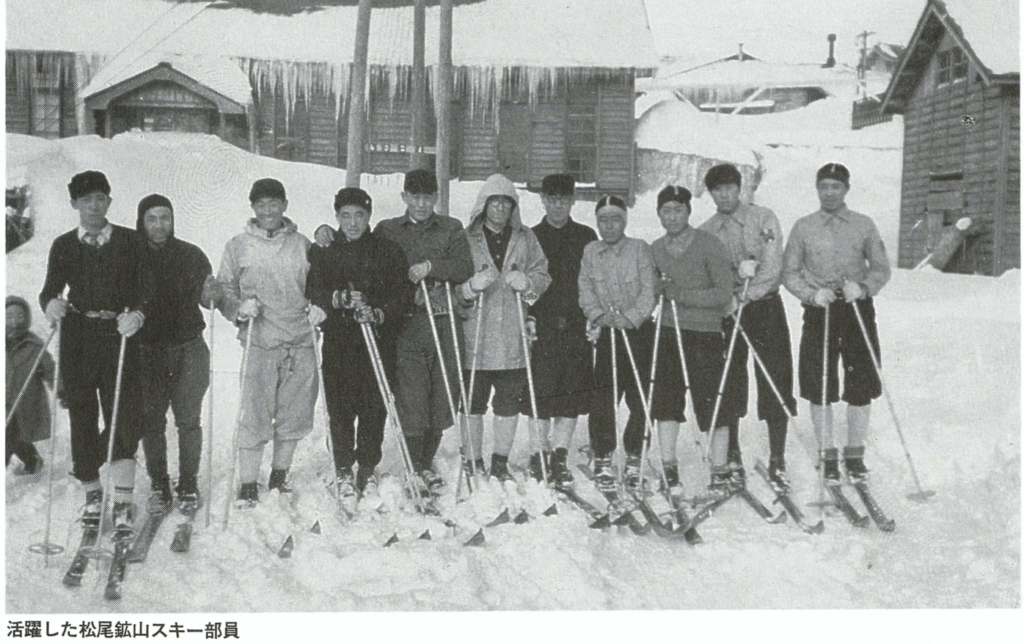
Skiing, now known as a popular winter sport, experienced its first major boom around 1950 (Showa 25). Even before the rapid increase in skiers, Matsuo Mine had a ski club that was already recognized as a nationally competitive powerhouse. However, there were still no commercial ski resorts operating around Matsuo Mine. The athletes honed their skills at a practice ski area within the mine grounds.
八幡平・安比スノーリゾートの歴史
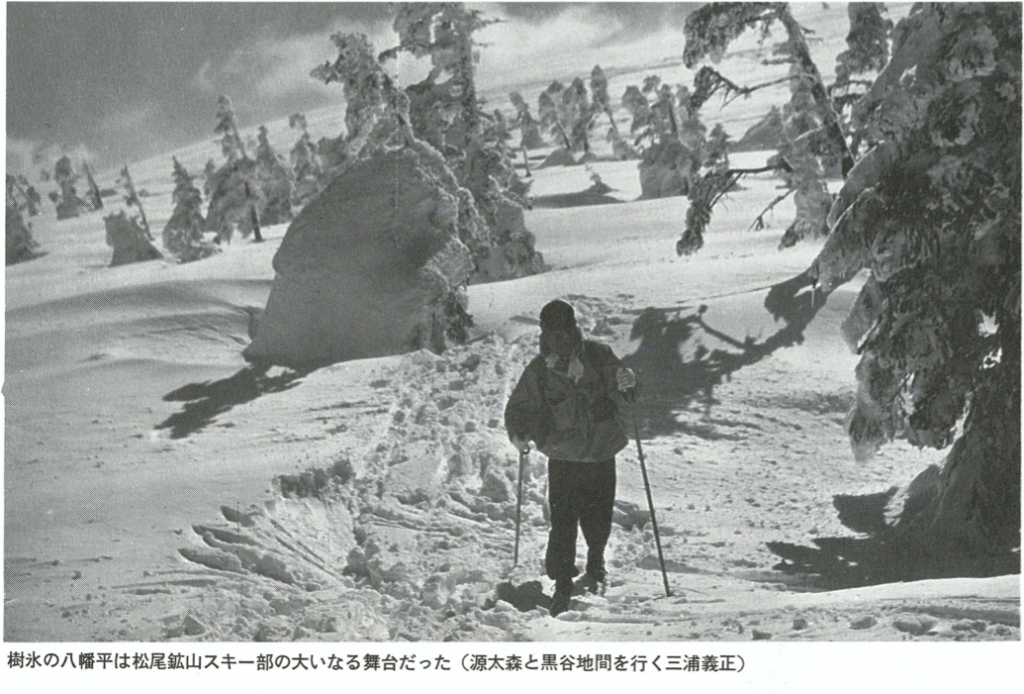
Skiing arrived at Matsuo Mine around 1921. Practice scene at Hachimantai, adorned with rime ice (Image courtesy: Matsuo Mine Museum)
The first commercial ski resort opened near Matsuo Mine on January 27, 1952 (Showa 27). Named Ryugamori Ski Resort, its opening drew large crowds and featured an international, festive atmosphere, even including participation from the American occupation forces.
However, the once-prosperous Matsuo Mine declined as demand for sulfur ore waned. Seeking to diversify its operations, the company ventured into tourism development, including ski resort management. Around 1962 (Showa 37), it opened the Hachimantai Quasi-National Ski Resort, the first ski area in Iwate Prefecture equipped with a lift. The Hachimantai Tourist Hotel was also completed that same year. This marked the moment a full-scale reinforced concrete hotel emerged in the Hachimantai area, which until then had only offered youth hostels and mountain huts. Tourists increased year by year, drawn by the chance to enjoy Hachimantai's great outdoors and skiing, followed by overnight stays. However, the decline of the mining business could not be halted, and in 1969 (Showa 44), the Matsuo Mine closed its doors, ending its history.
八幡平・安比スノーリゾートの歴史
In 1929, the Matsuo Mine Ski Club was founded. By the 9th All-Japan Championships in 1931, it had become a powerhouse, dominating three events including the senior men's ski jumping. (Image courtesy of Matsuo Mine Museum)
八幡平・安比スノーリゾートの歴史
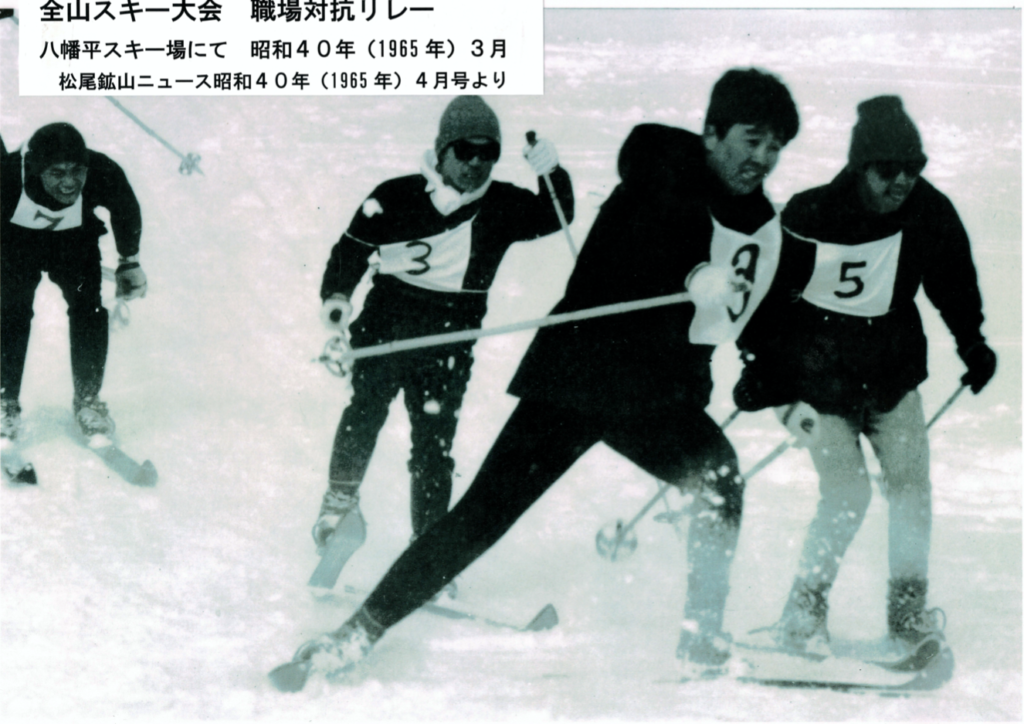
1965: All-Mountain Ski Competition at Hachimantai Ski Resort - Workplace Relay Race (Image courtesy of Matsuo Mine Museum)
Around the same time, in what was then Matsuo Village (now Hachimantai City), where the Matsuo Mine once operated, development projects for geothermal power plants, originating from hot spring plans, were gaining momentum. In 1970 (Showa 45), the Higashi-Hachimantai Onsen Corporation was established. Construction of lodging facilities saw participation from the Japanese National Railways (now JR), Iwate Prefecture, and Nissho Iwai (a trading company), leading to the successive openings of Hachimantai Heights and the Rising Sun Hotel. In 1979 (Showa 54), the Higashi-Hachimantai Ski Resort, capitalizing on the magnificent natural setting of Towada-Hachimantai National Park, was born, giving rise to the tourist resort known as the "Hachimantai Hot Springs Resort."

The decisive factor that propelled this region to national prominence as a ski resort was the opening of Appi Kogen Ski Resort in 1981 (Showa 56). During the peak of the bubble economy, affixing an "APPI" sticker from Appi Kogen to one's car became a major craze. To this day, it continues to draw numerous winter sports enthusiasts not only from Japan but also from overseas.

Regions blessed with heavy snowfall like Japan are rare worldwide, and the snow in Hachimantai and Appi is particularly special—a powder snow with extremely low moisture content. During peak season, the fresh snow is so light and fluffy you can't even make a snowball.

Hachimantai-Appi Snow Resort is an area where winter sports enthusiasts from around the world, from beginners to experts, can enjoy the finest snow quality, earning it high praise.